Ephesus Archaeological Museum Stop On A Biblical Tour
The Ephesus Museum in Selçuk town holds the Artemision finds, the Resting Warrior and a marble Marcus Aurelius, charges a published EUR 10 fee and is covered by the Museum Pass Türkiye, yet almost no tour description here names it as a stop.
Short answer
The Ephesus Museum in Selçuk town is a Ministry museum with five named halls, a published EUR 10 fee and Museum Pass Türkiye coverage. No trip covered here itemises a museum stop; only the Okeanos description carries museum wording, so ask your operator before assuming the stop is included.
Most visitors to Ephesus walk the ruins, photograph the Library of Celsus and leave without ever entering the building in Selçuk town where the site's portable finds actually live. The Ephesus Museum, run by the Ministry of Culture and Tourism, sits in the town itself, is open every day with an audio-guide service, and charges a published fee of EUR 10 that changes yearly, so check before going. For a biblical itinerary the question is not whether the museum is good, it is whether a tour day has room for it, and the answer is more complicated than most planning posts admit: almost nothing in the tour market here sells the museum as a stop.
Should You Add The Selçuk Museum To A Bible Tour?
The Ephesus Museum in Selçuk town is open every day, charges a published fee of EUR 10 and holds finds from the ruins that a walking tour cannot show you: the Resting Warrior, a marble Marcus Aurelius and halls for the Artemis Temple and Cybele finds. It is covered by the Museum Pass Türkiye.
The museum matters to a biblical visitor for one main reason: the Artemis connection. Acts 19 records the silversmith Demetrius, "which made silver shrines for Diana" (Acts 19:24), arguing that Paul's preaching threatened the trade built on the goddess. The town clerk later calms the crowd by calling the city "a worshipper of the great goddess Diana, and of the image which fell down from Jupiter" (Acts 19:35). At the ruins you stand in the Great Theatre where that crowd "rushed with one accord" (Acts 19:29), but the goddess herself survives in the museum: the Ministry page names an Artemis Temple Findings hall, alongside halls for Fountain Findings, Terrace Houses Findings, Ancient Coins and the Cybele Cult, the older Anatolian mother goddess whose worship shaped Artemis of the Ephesians. Standing in front of a cult statue fragment after reading Acts 19 is a different experience from reading a plaque on the road.
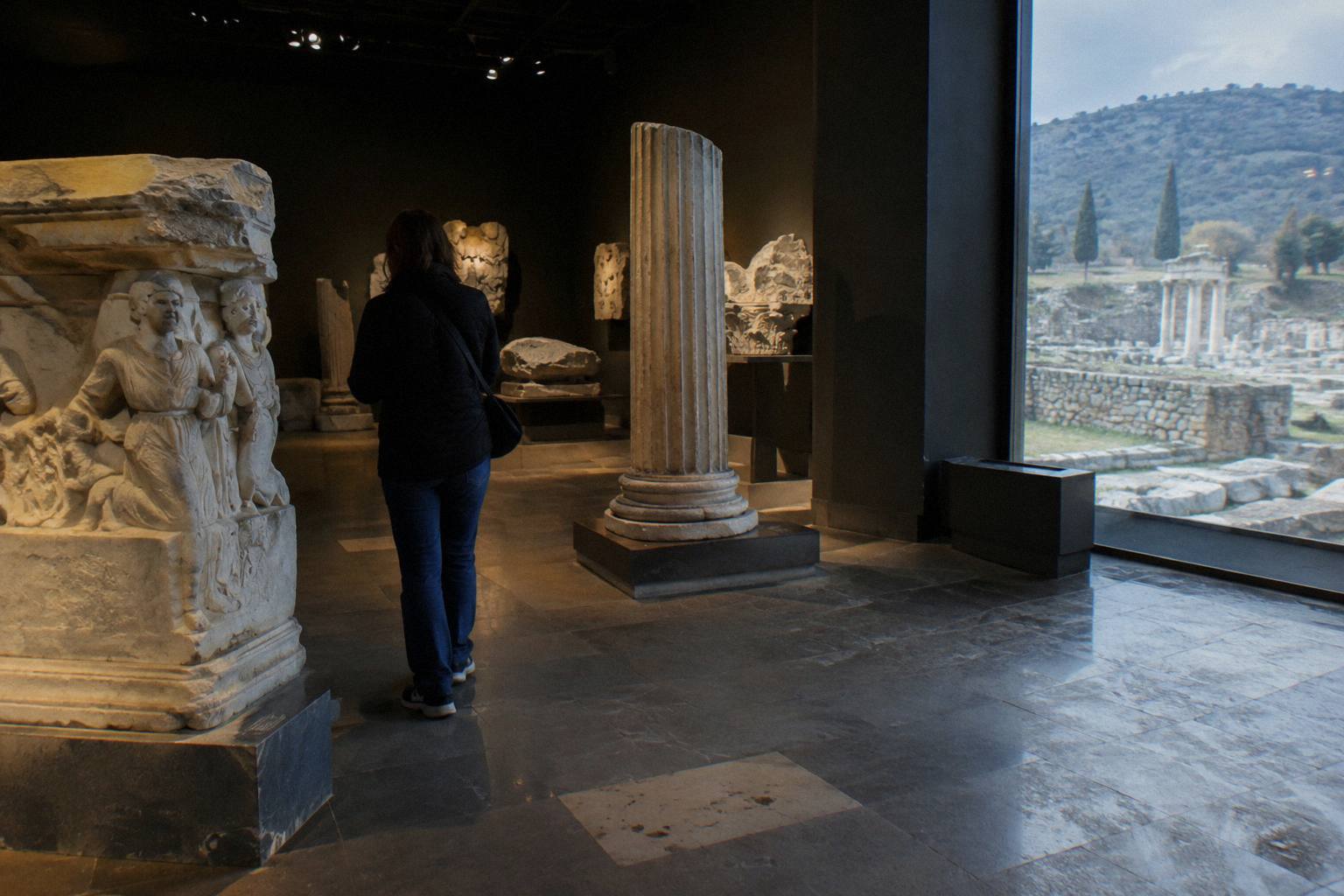
There is also a practical case. The ruins are an outdoor site on worn, uneven marble; a museum is indoors, level and shaded. On a wet winter day or in the July heat, an hour among the finds is the part of an Ephesus day that does not fight the weather. The Ministry's own description of Ephesus calls it "a key city in the expansion of Christianity, from which St Paul launched many of his missions", a description carried on the main site's Ministry page, and the museum is where the small objects of that city, coins, friezes, cult images, are kept.
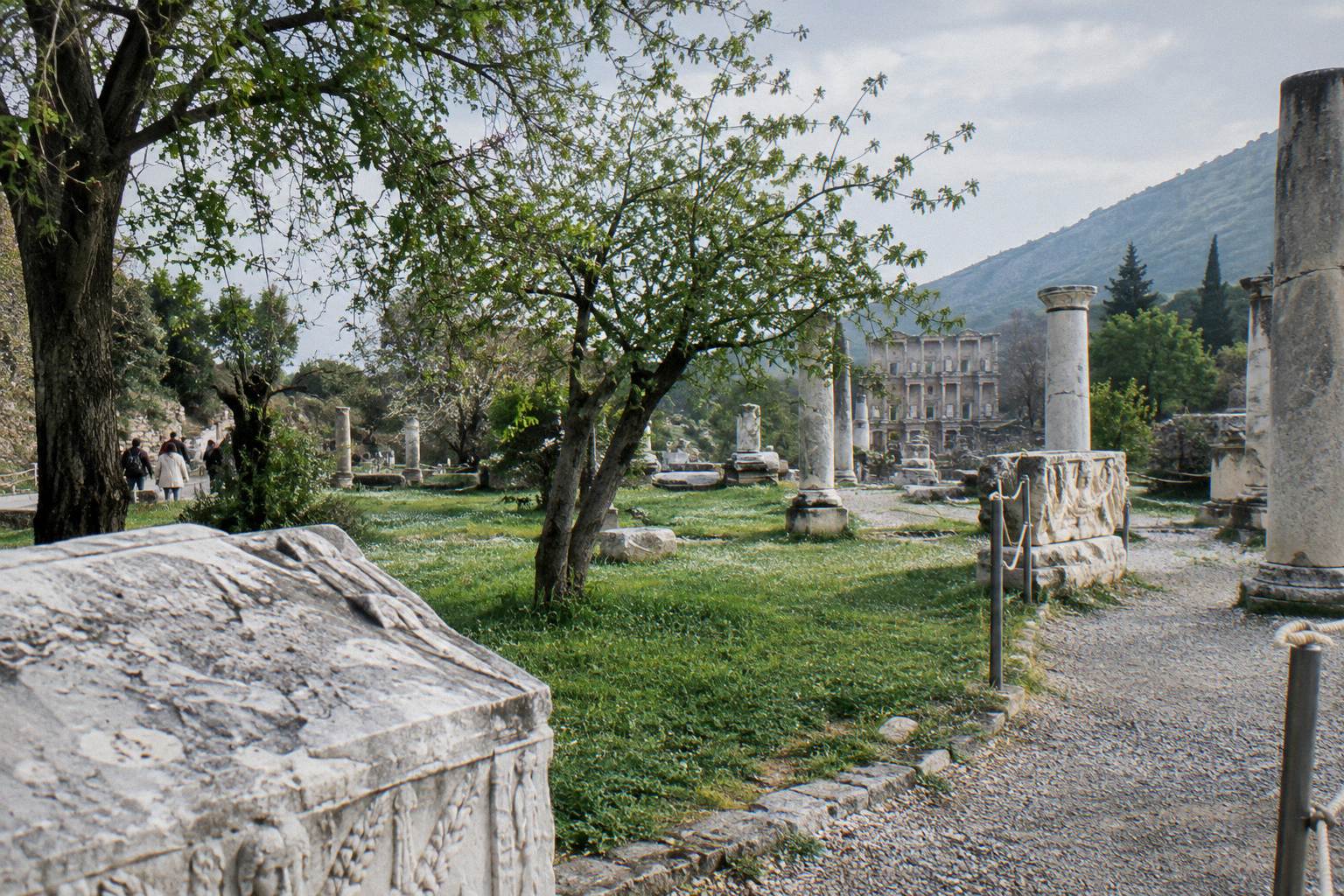
The planning problem is supply. Of the twenty-eight trips covered on Biblical Ephesus Tour, none itemises the Ephesus Museum as a stop. A museum visit therefore happens in one of two ways: you ask an operator to add it to a private day, or you slot it in yourself on either side of a guided tour, since the museum sits in Selçuk town close to the Basilica of St John and the Temple of Artemis area. The related question of whether John's basilica belongs on the same day is covered in what remains at the Basilica of St John, and the three Selçuk sights, museum, basilica and Artemision, sit within a short drive of one another.
What The Ephesus Museum Halls Hold
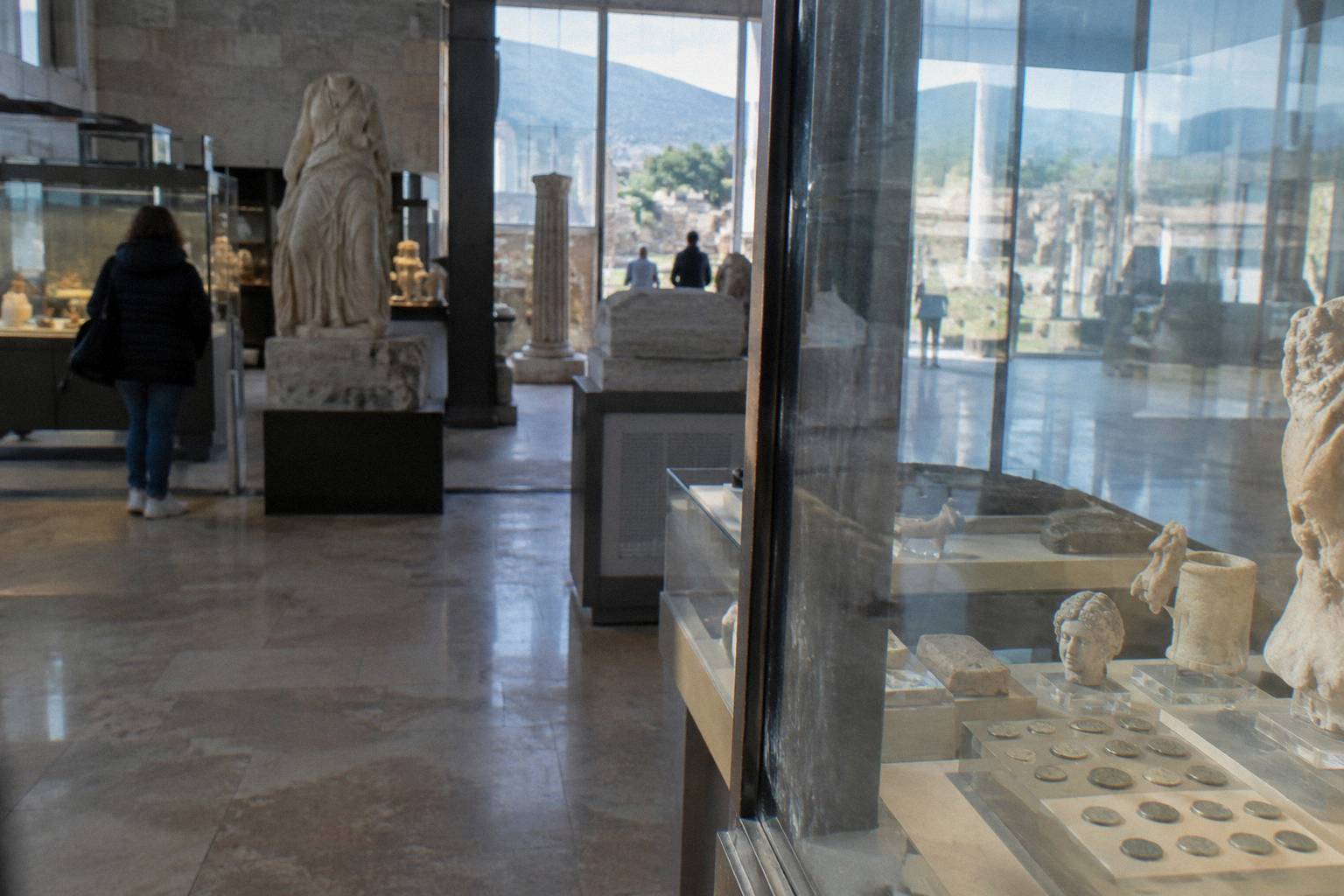
The Ministry page names five halls: Fountain Findings, Terrace Houses Findings, Ancient Coins, Cybele Cult and Artemis Temple Findings, plus two highlight statues, the Resting Warrior and a white marble Marcus Aurelius. For a biblical visit the Artemis hall matters most, because Acts 19 turns on the goddess whose silver shrines the city made.
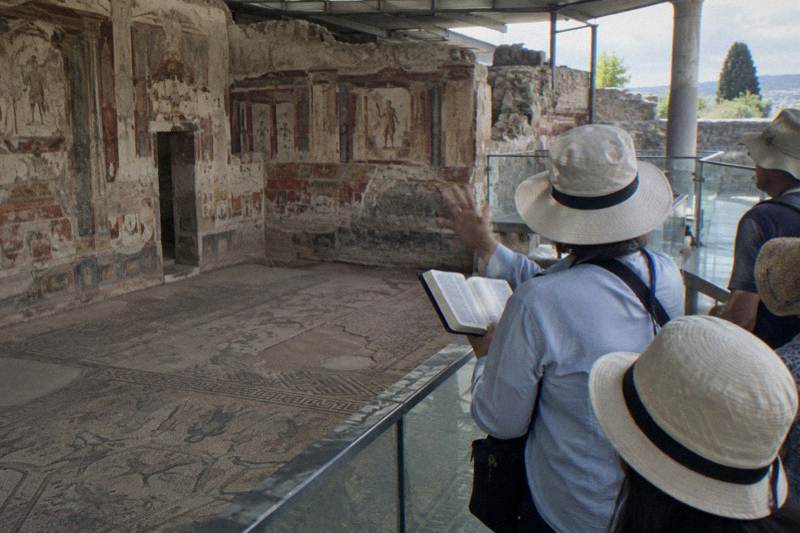
The halls fall into a clear order of interest for a Bible-focused visitor. The Artemis Temple Findings hall carries pieces of the Artemision, the temple that the Book of Acts treats as the economic and religious engine of the city; the Temple of Artemis was one of the Seven Wonders of the Ancient World, and today only one re-erected column stands at the site itself, so the museum holds more of the goddess than the roadside does. The Cybele Cult hall explains the older Anatolian layer beneath Artemis worship, the mother goddess tradition that shaped how Ephesus imagined its deity. Terrace Houses Findings brings down from the slope the mosaics, frescoes and domestic objects of wealthy Roman Ephesians, the same seven 1st century houses described on the Ministry's Terrace Houses page, which are a separate EUR 15 ticket at the ruins and not covered by the pass. Whether that extra ticket is worth it is argued in is the Terrace Houses ticket worth it.
| Ministry hall | What it holds | Why a biblical visitor cares |
|---|---|---|
| Artemis Temple Findings | Finds from the Artemision | The goddess behind the riot of Acts 19 |
| Cybele Cult | Older mother-goddess material | Shows the Anatolian roots of Ephesian worship |
| Ancient Coins | Ephesian coinage | The money of the city Paul worked in |
| Fountain Findings | Sculpture from the city's fountains | Domestic and civic Roman Ephesus |
| Terrace Houses Findings | Mosaics and fresces from the slope houses | The homes of the city's elite, without the stairs |
Two caveats keep expectations level without overclaiming. First, gallery arrangements in Ministry museums change; the hall names above are the ones the Ministry page lists, so treat them as the frame, not a floor plan. Second, the museum is compact compared with the ruins: the two named highlight statues, the Resting Warrior and the white marble Marcus Aurelius, anchor the visit, and most guests find an hour to ninety minutes enough. If the Seven Churches letters are the centre of your trip, the museum adds texture to Ephesus, the first of the seven, a route mapped in the Seven Churches tour route and cost.
The trips above are the closest fits from the tours covered here for a day that could accommodate a Selçuk stop, but none of their descriptions names the museum, so the addition is a conversation to have before booking, not an assumption to make after.
Which Tours Mention Museums At All
The Okeanos All Inclusive, 6 Hours trip (Okeanos Travel, from $189 per person, 6 hours, fewer than 20 reviews so far) includes "entrance fees to museums and sites according to the above itinerary", names the House of the Virgin Mary, Ephesus ancient city and the Basilica of St John as its stops, and runs pick-up and drop-off service from Kuşadası. That wording means any museum in the itinerary is prepaid, not that the Selçuk museum is in the itinerary. It is the only description among the trips here that uses the word museums at all. For travelers who want the stop, the useful move is to message the operator at booking and ask whether the Ephesus Museum can replace or follow one of the named stops within the six hours; the House of Mary itself, by tradition the place where Mary is believed to have spent her last years, is covered in what a House of Mary tour stop means.
| Trip | Price | Duration | Museum wording | Rating |
|---|---|---|---|---|
| Okeanos All Inclusive, 6 Hours | From $189 per person | 6 hours | Entrance fees to museums and sites per the itinerary | Fewer than 20 reviews |
| Guide Of Ephesus Private | From $22.73 per person | 4 to 6 hours | None; Ephesus and House of Mary tickets paid separately | 5.0 from 164 reviews |
| No Hidden Fees, St John Basilica | From $127.20 per person | 5 to 7 hours | None; entrance fees listed as included | 5.0 from 83 reviews |
| Crowded House Izmir Day Tour | From $150.60 per person | 5 to 9 hours | None; Ephesus and House of Mary fees included | 4.9 from 195 reviews |
The related private option deserves its own note because it is the trip most readers compare first. The Guide of Ephesus private cruiser tour runs from $22.73 per person with a per-person price that falls as the group grows, holds 5.0 from 164 reviews, lists cruise port pick-up and drop-off, a lunch in the countryside, a licensed local guide, parking fees and an on-time return for cruise guests in its inclusions, while Ephesus and House of Virgin Mary tickets are paid separately, with the guide arranging tickets so guests skip the ticket lines. Its description names the ruins, the House of the Virgin Mary, the Library of Celsus and the Temple of Artemis, not the museum; on a private day, that is exactly the kind of itinerary a guide can bend. If a flexible private day sounds right, Check availability and ask the operator directly whether a Selçuk museum stop fits.
The pattern to take from the table is that museum coverage on these trips is really a ticket question. Where a description lists entrance fees as included, a museum visit, if the operator agrees to one, will often be covered by that wording; where tickets are excluded, the museum fee joins the Ephesus and House of Mary fees you pay on the day. The free-cancellation terms are the same across the trips here, up to 24 hours before the start, which means an operator conversation about the museum carries no booking risk: ask, and cancel free if the answer is no.
Museum Pass, Ticket Price And How Entry Works
The Ministry's published fee for the Ephesus Museum is EUR 10, it changes yearly, so check before going, and the Museum Pass Türkiye at EUR 165 covers it alongside the main site and the Basilica of St John. The pass runs 15 days with one entry per museum, which suits a multi-day biblical itinerary.
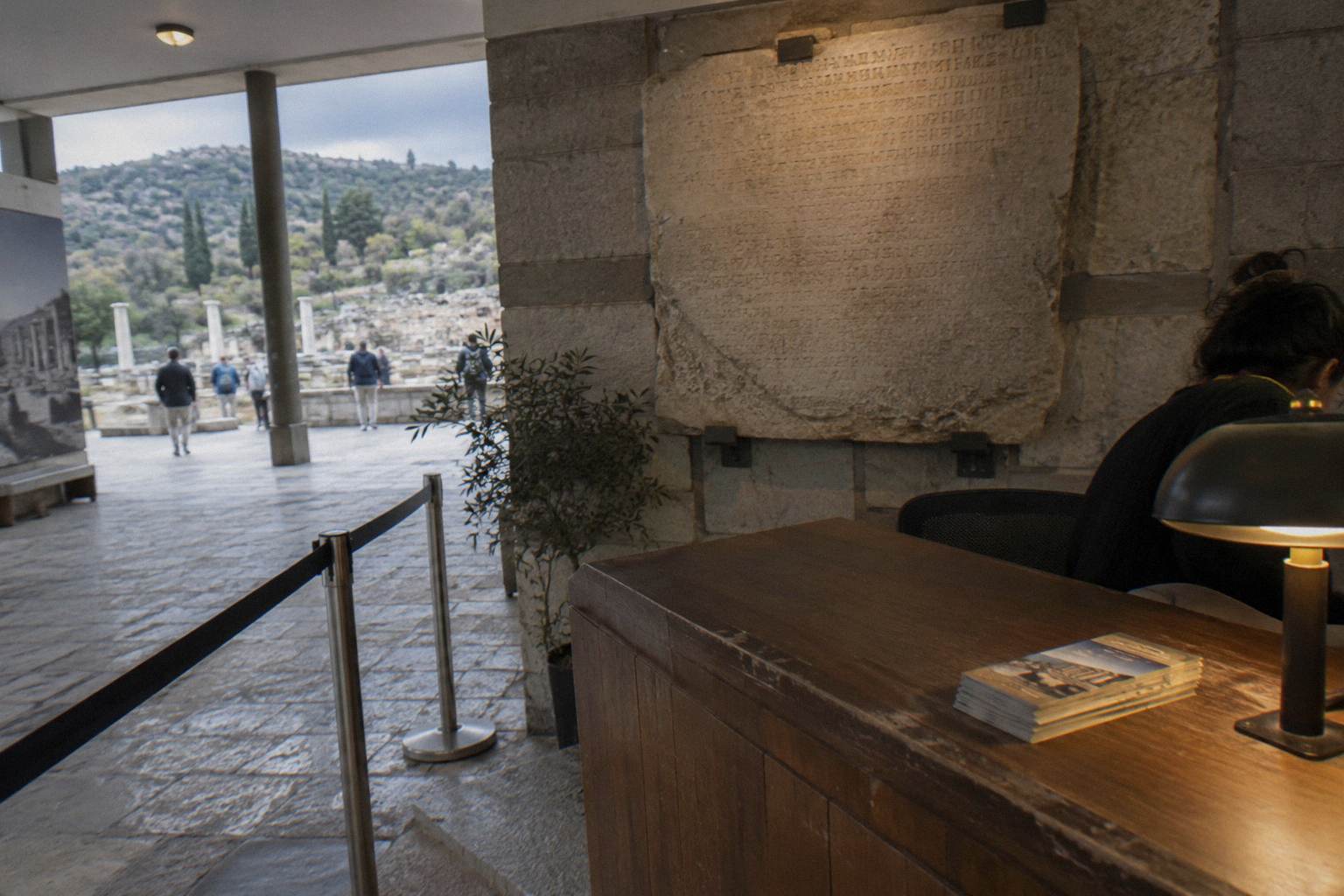
The fee structure across Ephesus is simple once laid out, and it is the same Ministry schedule whether you arrive on a tour or alone. The Ephesus Archaeological Site costs EUR 40 and its ticket includes the Ephesus Experience Museum on the site, a separate thing from the Selçuk museum. The Terrace Houses are EUR 15, a separate ticket not covered by the pass. The Basilica of St John is EUR 6. The Ephesus Museum in Selçuk town is EUR 10. All of these are published fees that change yearly, so check before going, and a fuller breakdown sits in Ephesus entrance fees and the Museum Pass. The House of the Virgin Mary is not a Ministry site: where a tour's exclusions list the House of Mary ticket, a separate fee is paid at the gate, and no figure belongs here.
| Ministry site | Published fee (EUR) | Covered by Museum Pass Türkiye |
|---|---|---|
| Ephesus Archaeological Site | EUR 40 | Yes |
| Ephesus Museum, Selçuk | EUR 10 | Yes |
| Basilica of St John | EUR 6 | Yes |
| Terrace Houses | EUR 15 | No, separate ticket |
The Museum Pass Türkiye costs EUR 165, is valid 15 days from the first museum visit, allows one entry per museum and covers more than 350 Ministry museums and sites. Whether it pays off on a one-day visit is a sum every traveler makes for themselves against the fees above; on a multi-day trip that also takes in the Basilica of St John and other Ministry sites, the case strengthens, and the Ephesus Museum slotting into the pass is precisely what makes an added museum hour cheap to say yes to. Two practical notes: the pass does not cover the Terrace Houses, and it does not cover the House of the Virgin Mary, which is operated by an association with a Capuchin community rather than the Ministry. None of the day trips here sells the pass for you; on tours that exclude tickets, you buy entry yourself on the day, in EUR at the Ministry ticket offices.
How Long The Museum Stop Takes And Where It Fits
The ruins take roughly 2 to 3 hours, so a museum stop has to be added either before or after, not squeezed into the middle, and every trip runs to a fixed duration that leaves slack. A cruise day with an 8 to 11 hour call is the case where the choice bites.
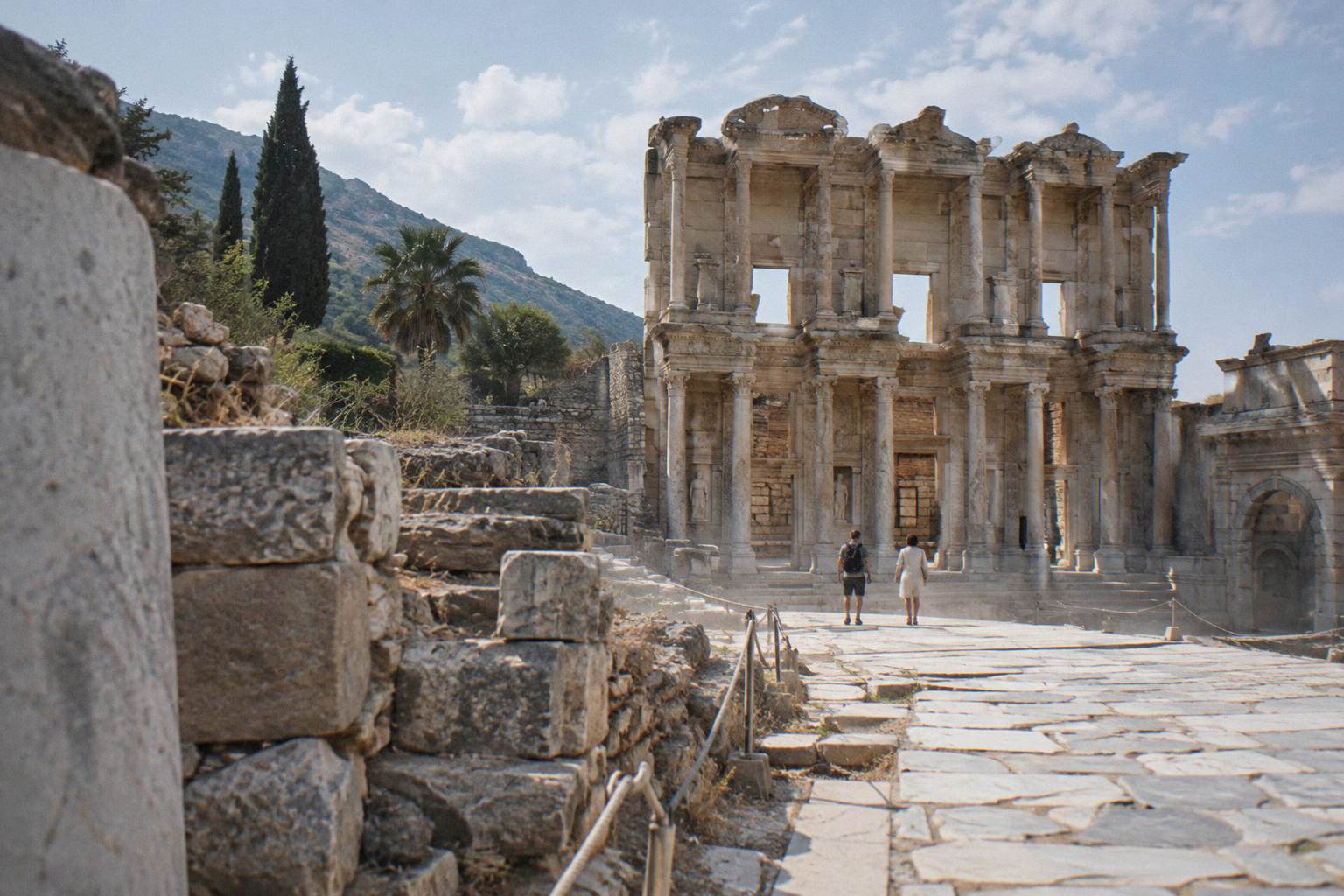
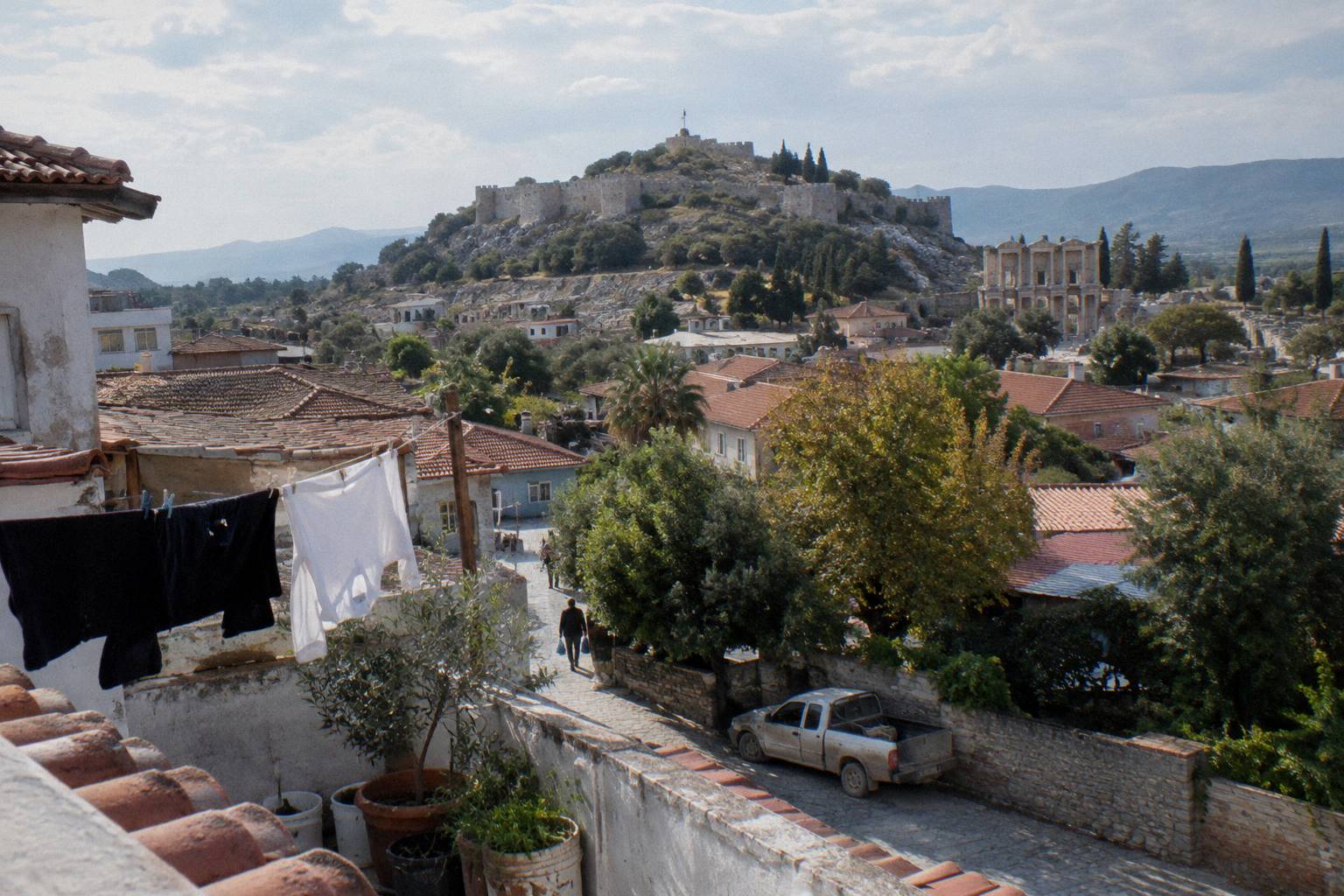
The geography works in the museum's favour. The ruins sit just outside Selçuk; the museum, the Basilica of St John on Ayasuluk Hill and the Artemision are in or beside the town, so a Selçuk block of museum plus basilica plus the one re-erected Artemis column can be driven in minutes between stops. Kuşadası port to the ruins is roughly 20 to 35 minutes by road, which is why the Kuşadası-based trips here run 4 to 6 hours with room to spare on a typical call. A cruise call at Kuşadası is typically 8 to 11 hours, and the ship's own all-aboard time governs everything; a museum hour added at the Selçuk end, after the ruins and before the drive back, is the version of the plan that costs the least schedule. The wider timing math is worked through in Ephesus shore excursion timing and back-to-ship.
Duration is where the trips differ sharply, and it is the number to check against your ship or your hotel night. The Crowded House Izmir Day Tour (Crowded House Tours, from $150.60 per person, 4.9 from 195 reviews) runs 5 to 9 hours from İzmir, lists the entrance fees for the House of the Virgin Mary and the Ephesus site as included with the Terrace Houses fee excluded, and includes lunch; its long upper duration is the kind of window in which a Selçuk addition is at least plausible to request, though the description names the ruins, the House of Mary, the Artemision and the Library of Celsus, never the museum. İzmir's Alsancak port to Ephesus is about 80 km, 1 to 1.5 hours, so İzmir departures spend real time on the road, which is why they run longer. If a long İzmir day suits, the Crowded House Izmir day tour is the strongest-reviewed İzmir option here, and you can Check availability while asking the operator about a museum request.
At the other extreme, the 4 to 6 hour Kuşadası trips are tight by design: port pick-up, roughly half an hour each way, two to three hours at the ruins, and on some trips the House of Mary and the Artemision besides. Asking for a museum stop on one of those means trading something out, usually the Artemision photo stop, and whether the operator will do it varies. The general trade-offs between guided and independent time are set out in Ephesus tour or on your own for a biblical visit, and for a reader set on the museum the cleanest fallback is a half day left free in Selçuk with the museum and the basilica walked at your own pace, both covered by the pass if you hold one.
Best Months To Combine Museum And Ruins
April to early June and late September to October sit between the cool wet winter and the hottest weeks in the İzmir figures, and July and August are the hottest months, which is when an indoor museum hall earns its place. The museum is open every day, so weather rearranges a plan without closing it.
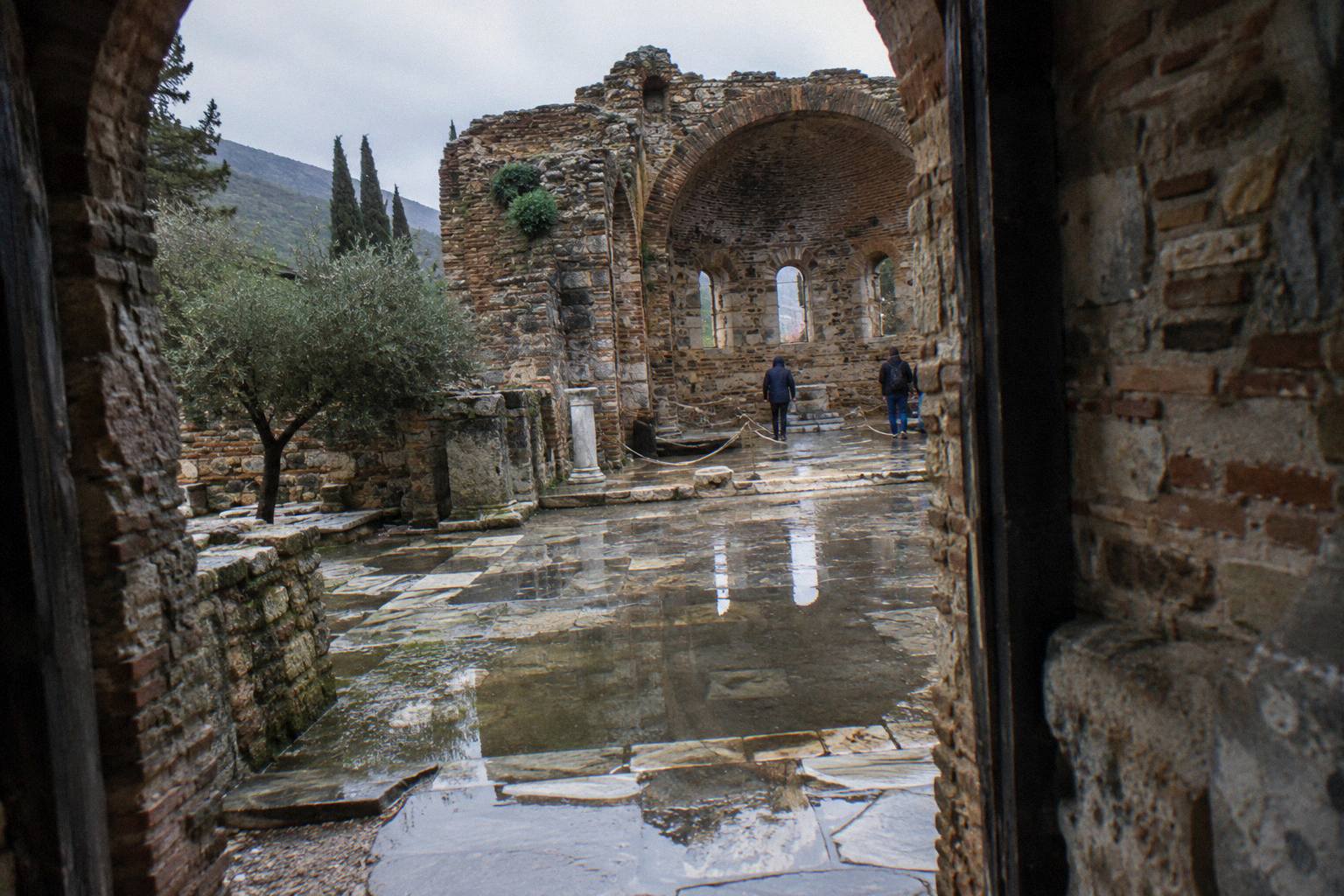
The climate numbers come from the Turkish State Meteorological Service's İzmir (Konak) station normals, because Selçuk and Kuşadası are not published separately, so treat them as İzmir figures. Aydın province, which contains both Selçuk and Kuşadası, runs hotter: a mean maximum from 13.2 °C in January to 36.4 °C in July, with rainy days from 0.57 in August to 12.9 in December.
| Month | Mean daily maximum C | Mean daily minimum C | Mean rainy days |
|---|---|---|---|
| January | 12.5 | 5.8 | 12.6 |
| February | 13.7 | 6.2 | 10.5 |
| March | 16.4 | 7.7 | 9.2 |
| April | 21.0 | 11.2 | 7.8 |
| May | 26.2 | 15.5 | 5.3 |
| June | 30.8 | 19.9 | 2.3 |
| July | 33.3 | 22.6 | 0.5 |
| August | 33.0 | 22.5 | 0.6 |
| September | 29.3 | 18.8 | 1.9 |
| October | 24.1 | 14.7 | 5.3 |
| November | 18.7 | 10.8 | 8.8 |
| December | 14.2 | 7.6 | 12.7 |
Read as a planning table, two seasons stand out for a combined ruins-and-museum day. April to early June and late September to October give warm walking weather with fewer wet days. In December and January, with 12.7 and 12.6 mean rainy days, the indoor halls stop being an optional extra and become the part of the day you protect. Because the museum is open every day and hours shift by season at the ruins, check the Ministry page on the day rather than trusting a printed schedule.
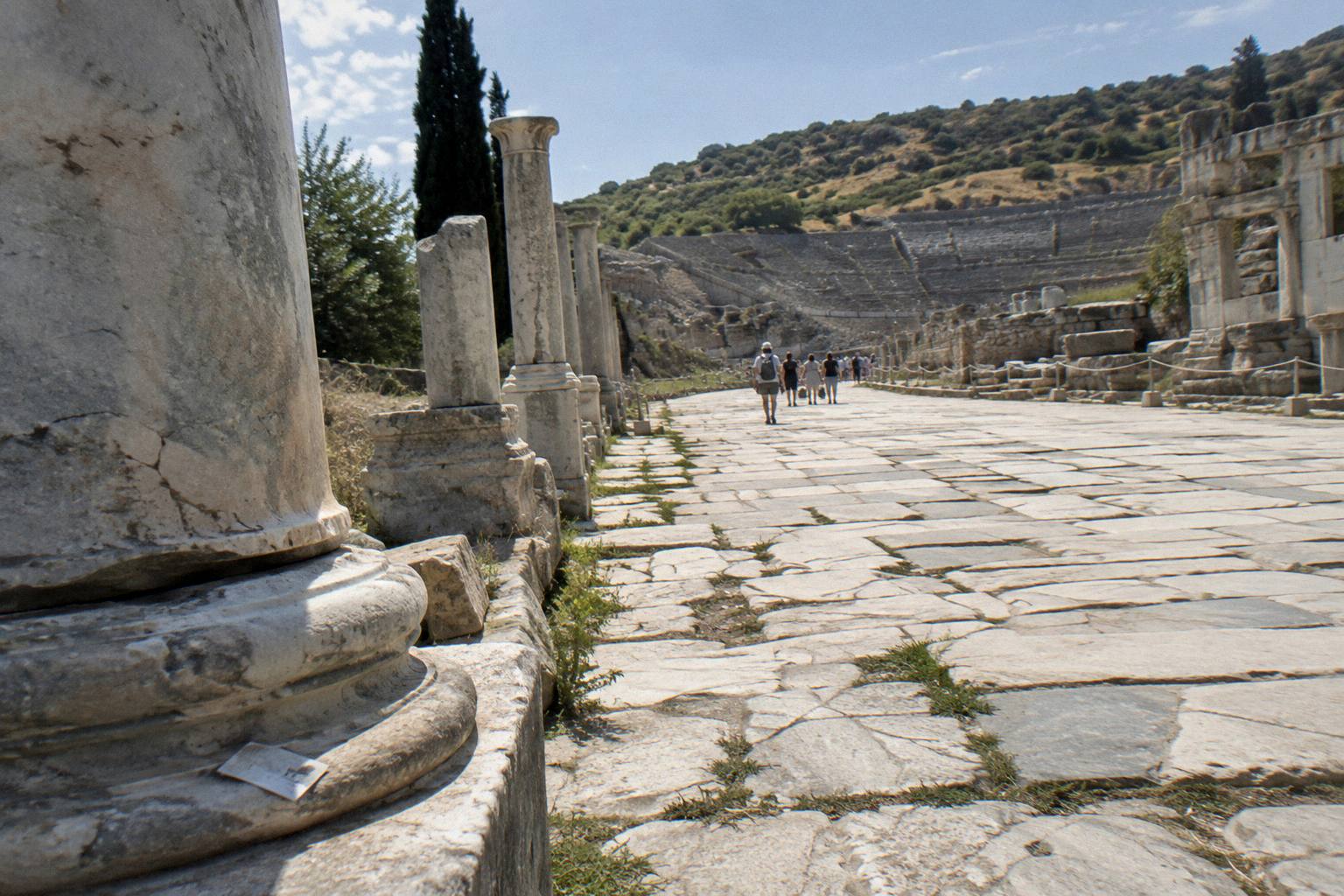
One long-duration option suits the museum-addition request particularly well. The Apasas Full Day trip (Apasas travel, from $122.71 per person, 8 to 11 hours, 4.8 from 156 reviews) starts from İzmir, includes lunch and lists entrance fees as included with the Terrace Houses fee excluded, naming Ephesus, the House of the Virgin Mary and the Temple of Artemis as stops. An 8 to 11 hour window from İzmir is the kind of day where an extra Selçuk hour physically fits, provided the operator agrees, so ask at booking. No description here promises the museum, and none should be read as if it did.
The sensible conclusion is a two-part plan. Book the trip whose duration and ticket structure suit your day, then message the operator once, before paying, with a single question: can the Ephesus Museum in Selçuk be added, and does the ticket wording cover it. The answer costs nothing, since free cancellation up to 24 hours before the start applies across the trips here, and a yes turns a good biblical day into the version where Acts 19's goddess is met in person.
Common Questions About The Ephesus Museum Stop
Is The Ephesus Museum Included On Tours?
No trip covered here itemises the Selçuk museum as a stop. Only the Okeanos All Inclusive description carries museum wording, listing entrance fees to museums and sites according to its itinerary. Ask the operator directly whether the stop can be added.
How Much Is The Ephesus Museum Ticket?
The Ministry's published fee is EUR 10 for non-Turkish adults. It changes yearly, so check before going. The Museum Pass Türkiye at EUR 165 covers the museum alongside the main Ephesus site and the Basilica of St John.
What Will I See Inside The Selçuk Museum?
The Ministry page names five halls: Fountain Findings, Terrace Houses Findings, Ancient Coins, Cybele Cult and Artemis Temple Findings, plus two highlights, the Resting Warrior statue and a white marble statue of Marcus Aurelius. An audio-guide service is listed.
How Long Does A Museum Visit Take?
Most visitors find an hour to ninety minutes enough. The ruins take roughly 2 to 3 hours, so the museum fits best before or after them, and the museum, the Basilica of St John and the Artemision sit close together in and around Selçuk town.
Does The Museum Pass Türkiye Cover The Museum?
Yes. The pass, EUR 165 and valid 15 days with one entry per museum, covers the Ephesus Museum, the main Ephesus site and the Basilica of St John. It does not cover the Terrace Houses or the House of the Virgin Mary.
Is The Museum Worth It On A Biblical Itinerary?
For readers of Acts 19, yes: the Artemis Temple Findings hall holds material of the goddess whose silver shrines drove the riot Paul's preaching provoked. Nothing at the outdoor ruins shows the goddess herself the way the museum does.